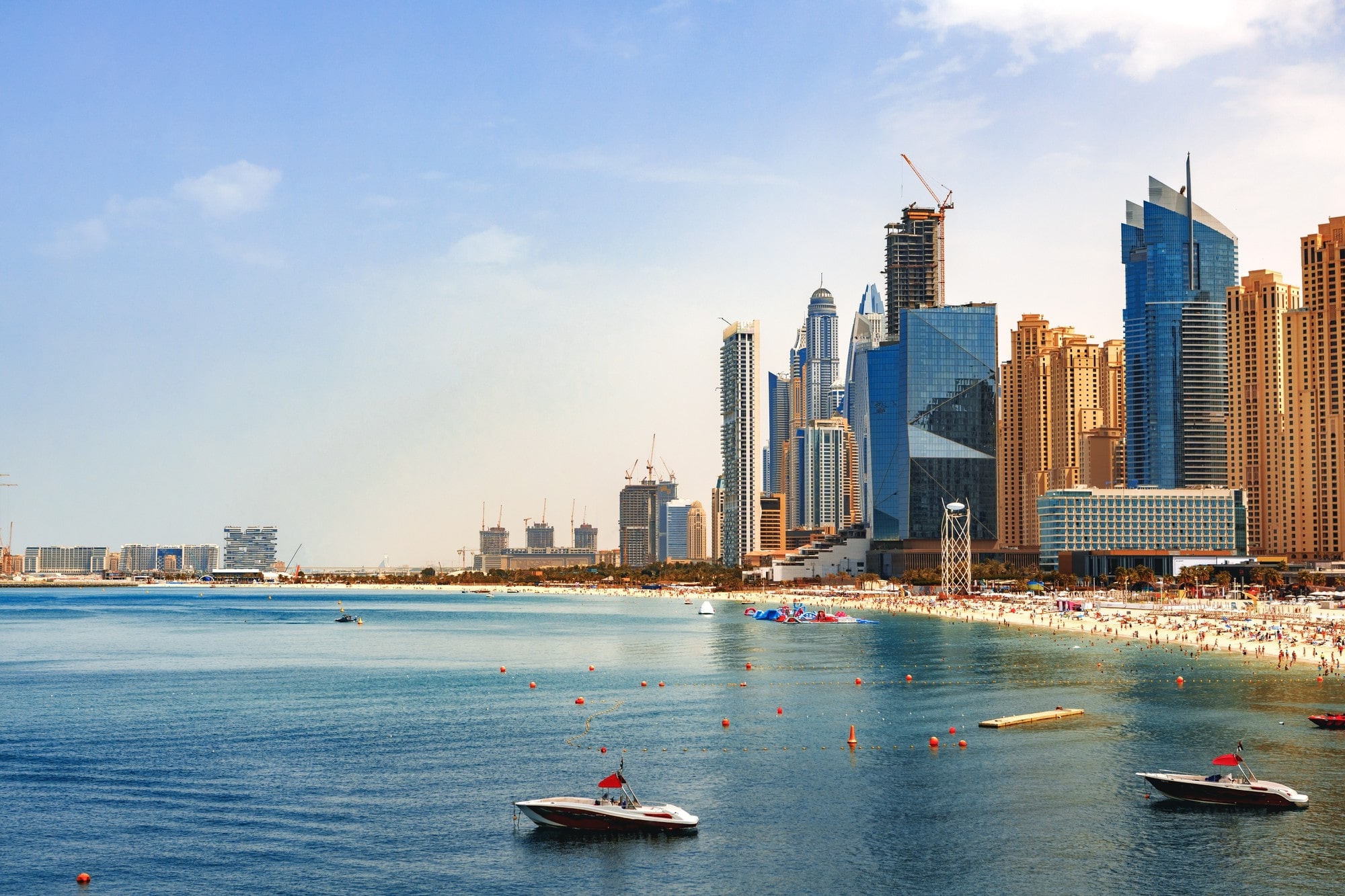
If you only experience Dubai's beaches the way most tourists do, you're missing something essential. You're essentially getting the postcard, and missing out on the story.
This guide is about understanding how people who actually live here experience the beach. How it fits into their rhythm, their culture, their sense of community.
If you're the kind of traveler who wants more than a checklist, who wants to understand a place rather than just visit it, this is for you.
Why "Like a Local" Actually Matters in Dubai
Dubai gets a reputation. Luxury. Excess. Instagram fodder. A city that exists for tourists and expats passing through.
And sure, that's part of the story. But it's not the whole story.
Underneath the glittering surface is a real city with real rhythms. Families who have lived here for generations. Communities that gather, celebrate, and build lives that have nothing to do with the tourist trail. And the beach is absolutely central to that life.
The problem is, most tourists never see it. They arrive at noon when the sun is brutal and the crowds are thick. They head to the beaches that show up first on Google. They book beach clubs because that's what the influencers do. They leave at sunset and consider the beach "done."
They're not wrong to do any of this. But they're also not experiencing what makes beach culture in Dubai actually special.
This guide is about closing that gap. Not because locals are gatekeeping some secret paradise, but because there's a whole layer of experience that only reveals itself when you understand the timing, the culture, and the unspoken rhythms that guide how people here actually live.
Understanding Beach Rhythms: When Locals Actually Go
Timing changes everything at Dubai beaches. Show up at the wrong time, and you'll have a completely different experience than if you show up when locals do.
Morning Window: Sunrise to 10am
If you want to see how Dubai residents actually use the beaches, set your alarm early.
Between sunrise and 10am, beaches transform. The air is cool, the light is soft, and there's a peaceful energy that disappears completely by midday. You'll see runners doing their morning circuits along the shore. Swimmers doing laps in calm water. People practicing yoga on the sand. Families with young children arriving before it gets too hot.
This is when regulars come. People who live nearby and have beach mornings built into their routine. It's not about the spectacle. It's about movement, routine, and starting the day with salt water and open sky.
Kite Beach is particularly beautiful in the morning. You'll see kite surfers catching early wind, paddleboarders gliding across glassy water, and the Burj Al Arab lit by soft golden light. It's the same beach tourists visit at 2pm, but it feels like a completely different place.
Midday: 11am to 4pm
Here's what locals know that tourists don't: midday beaches in Dubai are brutal.
From about 11am to 4pm, especially in the heart of peak season (December through February), the sun is relentless. The sand gets so hot you can't walk on it barefoot. The UV index is consistently extreme. The combination of direct sun and reflection off the water and sand is exhausting.
This is exactly when most tourists show up. They're on vacation, they want to maximize beach time, and they don't realize that beach culture here doesn't work like it does in, say, the Mediterranean or California.
Locals avoid this window almost entirely. If they're at the beach during midday, they're under shade, in the water intermittently, and deeply aware of sun exposure. More commonly, they're not at the beach at all. They're home, resting, having lunch, waiting for the day to cool.
This isn't a judgement. It's just physics. The sun here is different. Respecting that is part of living here.
Golden Hour: 4pm to Sunset
This is when beaches come alive with locals.
Around 4pm, as the heat breaks, you'll start seeing families arrive. They come with coolers, beach mats, portable speakers playing Arabic music, and the intention to stay for hours. This isn't a quick beach visit. It's an evening out.
Children play in the water while parents set up elaborate spreads of food. Teenagers play football or volleyball. Groups of friends claim their spots and settle in for the long haul. The vibe is communal, unhurried, and deeply social.
The light during this time is stunning. Warm and golden, perfect for photos but that's almost beside the point. People are here for each other, not for content.
Sunset happens around 5:45pm during the November-to-April beach season, and it's beautiful. But here's the thing most tourists miss: locals don't leave when the sun sets.
After Dark: The Beach as Social Space
Tourist beaches empty out the moment the sun dips below the horizon. Locals stay.
The beach after sunset becomes a different kind of space. Quieter, cooler, more intimate. People walk along the shore. Couples sit and talk. Families linger over the last of their food. There's a sense of shared calm that doesn't exist during the day.
Some beaches, like JBR, have well-lit promenades that stay active into the evening with walkers, joggers, and people just enjoying the cooler air. Others, like Sunset Beach, become almost meditative—just the sound of waves and the distant lights of the city.
If you want to understand how beaches function as community spaces here, stay past sunset. That's when you'll see it.
The Beaches Locals prefer
Not all beaches in Dubai are created equal, and locals have very clear preferences that don't always match what shows up in tourist guides.
Where Tourists Go (and Why Locals Often Don't)
JBR (Jumeirah Beach Residence), Kite beach and Jumeriah are the tourist epicenters, and for good reason. They're beautiful, accessible, have great facilities, and are surrounded by restaurants and shops.
But they're also crowded, especially on weekends. The vibe skews heavily toward visitors. Beach vendors constantly approach you. Every square meter of sand is claimed by midday.
Locals don't avoid these beaches mostly—they're too convenient and well-maintained to ignore completely—but they're selective about when they go. Early mornings or weekday evenings at JBR can be lovely. But Saturday afternoon at JBR? That's tourist territory.
Where Locals Actually Prefer
Sunset Beach (Umm Suqeim): This is a local favorite for good reason. It's quieter, less commercialized, and has one of the best views of Burj Al Arab. The beach itself is wide and clean, with space to spread out even on busy days. Families love it because it's less chaotic than JBR. Photographers love it because the light is consistently gorgeous.
Al Mamzar Beach: One of Dubai's more secluded spots. It's a bit of a drive from central areas, which is exactly why it stays quieter. The beach is long, relatively empty, and feels more natural and less managed. If you want space and don't mind the lack of nearby cafes or facilities, this is where you go.
Mercato Beach: This one has a neighborhood vibe. It's near Jumeirah but doesn't get the same tourist traffic as the more central beaches. Families who live nearby treat it like their backyard beach—regular, casual, and comfortable.
Kite Beach (Early Morning): Yes, Kite Beach makes both lists. It's popular with tourists during peak hours, but locals know to come early. Before 9am, it's a different world. You'll see serious kite surfers, morning swimmers, and people who live nearby doing their regular beach routine.
The pattern with this is that locals either go to genuinely quieter beaches or they time their visits to popular beaches for off-peak hours. It's not even an exclusivity thing, they genuinely prefer space, calm, and the ability to actually relax.
Food Culture at the Beach: Community Over Commerce
This is where you'll see one of the starkest differences between tourist behavior and local culture.
Tourists book beach clubs for the food, the drinks, the service, the scene. And beach clubs are great for what they are—curated luxury experiences with gourmet menus and attentive staff.
But that's not how most locals experience beach food culture.
The Local's Way
Local families, especially Emirati families, come to the beach with coolers. Not small personal coolers. Full family-sized coolers packed with homemade food.
You'll see Arabic mezze: hummus, baba ganoush, tabbouleh, fresh vegetables, pita bread. Fresh fruit cut into perfect pieces. Dates and nuts. Homemade sandwiches. Thermoses of Arabic coffee and tea. Sometimes entire meals—rice dishes, grilled chicken, salads.
The food is made at home, packed with care, and shared generously. If you're nearby and friendly, you might even be offered something. It's not about showing off or creating a scene. It's about sustaining a long day at the beach with the people you love.
This is profoundly different from the tourist approach of arriving with nothing and buying everything on-site. It speaks to a different relationship with the beach. For tourists, the beach is a destination. For locals, it's an extension of home.
The Social Aspect of Food
Food at the beach, in local culture, is communal. The meal is as important as the swimming or the playing. Families spread out elaborate setups on beach mats, and everyone eats together. It's unhurried. There's no rush to finish and move on to the next thing.
This might sound simple, but it changes the entire energy of a beach day. When you bring your own food, you're not beholden to restaurant hours or menu prices. You can stay as long as you want. You can eat when you're hungry. The beach becomes your space, not a commercial transaction.
If you want to experience this as a visitor, it's simple. Skip the beach club one day. Pack a cooler with good food—it doesn't have to be homemade Arabic cuisine, just food you actually like. Find a quiet spot. Stay for hours. You'll immediately understand the difference.
Water Sports:
Tourists book jet skis as a one-time thrill. A 30-minute rental, a few photos, a rush of adrenaline, and then it's checked off the list.
For many Dubai residents, especially younger Emiratis and long-time expats, water sports are part of life. They're a regular weekend activity rather than on special occasions only.
The Regular Rider's Routine
If you spend time at Kite Beach or certain sections of JBR during peak season, you'll notice something. There are people who clearly know what they're doing on jet skis. They're not tentative or wide-eyed. They're confident, skilled, and comfortable.
These are the regulars. People who have been riding for years. They know the operators by name. They have favorite time slots. They book weeks in advance during peak season because they know the best times fill up fast.
This is a different relationship with water sports entirely. It's not about the novelty. It's about skill, routine, and the pure joy of being on the water.
Why Locals Book Through Platforms Like Sandz
Here's something that surprises a lot of tourists: locals don't just walk up to random beach vendors and negotiate. That's actually a tourist thing.
Smart residents book through trusted platforms like Sandz for several reasons:
Consistency: They know what they're getting. Same equipment standards, same safety protocols, same pricing.
Advance Booking: During peak season (November through March), the best time slots fill up fast. Locals book days or even weeks ahead to secure their preferred times, especially for weekends.
Transparent Pricing: No surprise fees, no haggling, no inflated "tourist rates." What you see is what you pay.
Safety and Insurance: Operators on platforms like Sandz are vetted and fully insured. If you're doing water sports regularly, that matters.
No Hassle: You show up, check in, and go. No negotiation, no uncertainty, no dealing with aggressive sales tactics on the beach.
This isn't about being snobby or avoiding local vendors. It's about efficiency and trust. When water sports are a regular part of your life, you want reliability.
Friday Beach Culture is All About The Heart of Community
If you really want to understand beach culture in Dubai, go on a Friday morning.
Friday is the local weekend in Dubai (Friday and Saturday are the days off, not Saturday and Sunday). For Muslims, Friday also includes Jummah—the weekly congregational prayer that happens around midday.
What this means for beach culture is distinctive and beautiful.
The Post-Prayer Beach Rush
After morning prayers, which happen around 7am depending on the time of year, beaches start filling with families. By 10 or 11am, after Jummah prayers, there's a noticeable wave of arrivals.
This is when you'll see large extended families claiming beach territory. Grandparents, parents, children, aunts, uncles, cousins—sometimes 15 or 20 people together. They come with tents or large umbrellas, multiple coolers, beach toys, prayer mats (for Asr prayer later in the afternoon), and the clear intention to stay all day.
The vibe is joyful and communal. Children play in the water while adults chat and eat. Teenagers play football or volleyball. There's music, laughter, and a sense of ease that comes from being with your people in a place you know well.
What This Looks Like for Visitors
As a visitor, Friday beach culture can feel overwhelming if you're not expecting it. Beaches that were peaceful on Tuesday are suddenly packed and energetic on Friday afternoon.
But it's also an incredible window into how people actually live here. You're seeing community in action. Families who have been coming to the same spot for years. Rituals passed down through generations. The beach as a social anchor.
If you're a cultural traveler, Friday afternoons (especially at beaches like Sunset Beach or Al Sufouh where local families gather) are worth experiencing. Just be respectful. This isn't a show for tourists. It's people living their lives. Observe with appreciation, not intrusion.
Evening and Night Beach Culture: What Happens After Sunset
Most tourists think the beach day ends when the sun sets. Locals know that's when a different kind of beach experience begins.
The Transition
As the sun drops, the energy shifts. The families who came for the afternoon start packing up, but many stay. The beach doesn't empty. It transforms.
The light fades to deep blue twilight. The city lights come on. The air cools to perfect temperature. The sound of waves becomes more prominent without the daytime visual distractions.
This is when the beach becomes a walking path, a meditation space, a place for quiet conversation. You'll see couples strolling along the shore. Friends sitting in small circles. Solo visitors just sitting and thinking.
The Promenade Culture
At beaches with developed promenades like JBR, the evening scene is active but different from daytime. The promenade fills with walkers, joggers, and families with strollers. The restaurants and cafes are lively. The atmosphere is social but not frantic.
For locals, the evening promenade walk is a routine. After dinner, many families come down to the beach not to swim but to walk, to see people, to feel the breeze. It's how you end a day. It's where you run into neighbors and friends.
The Contemplative Beaches
At quieter beaches like Sunset Beach or Black Palace Beach, the after-dark vibe is more contemplative. The beaches are less lit, more natural, and attract people seeking quiet rather than stimulation.
You might see someone sitting alone at the water's edge, just watching the waves. Or a couple having a long conversation in low voices. Or small groups of friends with a guitar and quiet music.
This is the beach as refuge. As a place to decompress, to think, to be with your thoughts or with people you care about without distraction.
If you're staying in Dubai for more than a few days, try this. Go to the beach at sunset. Stay for two hours after. Watch how the space changes, how the people change, how your own experience of it shifts. You'll understand something about this place that doesn't show up in any daylight photo.
Cultural Etiquette: Blending In, Not Standing Out
Understanding local beach culture isn't just about knowing when and where to go. It's also about how to behave in a way that's respectful and culturally aware.
Dress Code Revisited
We covered this in the tourist guide, but it's worth repeating from a cultural perspective: locals are attentive to dress code not because it's a rigid rule, but because it's a sign of respect for shared space.
When you're on the beach or in the water, swimwear is completely fine. But when you leave the sand—to walk to a café, to go to the restroom, to stroll the promenade—covering up is the norm.
For locals, especially Emirati women, this isn't even a conscious decision. It's automatic. And when visitors don't do it, it stands out. Not necessarily as offensive, but as clearly "not from here."
If you want to blend in, even slightly, throw on a cover-up. It's a small gesture that shows you're paying attention.
Noise and Space
Dubai beaches are social, but locals are generally mindful about noise. Music is common, but it's rarely at the volume you might see at a spring break beach in the US.
Respecting personal space matters too. Beaches get crowded, but locals still try to maintain reasonable distance between groups. Claiming a spot right next to another family when there's plenty of open beach elsewhere is considered inconsiderate.
Prayer Times
This is important. During prayer times, especially Maghrib (sunset prayer), you'll notice a shift. Some beachgoers step away to pray, either on the beach itself (on prayer mats they brought) or heading to nearby mosques.
As a visitor, the respectful thing to do is just be aware. Don't walk directly in front of someone praying. Keep noise levels reasonable during this time. It's a small thing that makes a big difference in how you're perceived.
Photography Etiquette
Always ask before photographing people, especially women and children. This is universal advice, but it's particularly important in Dubai where cultural and privacy expectations can be more conservative than what Western tourists might be used to.
If you're taking wide landscape shots and people happen to be in the frame, that's generally fine. But if you're clearly focusing on individuals or families, ask first. Most people will appreciate it, and many will say yes. But the act of asking shows respect.
How to Book Like a Local: Smart Planning Through Sandz
Here's the reality: even locals who know all the tricks and hidden spots still need to book water sports, beach club day passes, and experiences ahead of time.
The difference is in how they do it.
Why Locals Trust Sandz
Residents use platforms like Sandz for the same reasons anyone would choose a trusted marketplace over negotiating with random vendors:
Vetting and Safety: Every operator on Sandz is vetted for equipment quality, safety standards, and insurance. When you're booking regularly, you don't want to gamble on safety.
Transparent Pricing: No tourist markups, no hidden fees. What you see is what you pay.
Advance Booking: Locals know that peak season gets busy. Booking 3-5 days ahead through Sandz means you get your preferred time slot, not whatever's left over.
Customer Support: If something goes wrong, there's accountability. You're not dealing with a random vendor who might not even be there tomorrow.
Convenience: Everything in one place. Water sports, beach clubs, experiences. Easy to compare, easy to book, easy to manage.
This isn't about being too good for street vendors. It's about efficiency and reliability. When beach activities are part of your routine, not a one-time tourist splurge, you optimize for consistency.
The Local Booking Pattern
Here's how regular beachgoers in Dubai typically plan:
Weekly Routine: Many book their weekend activities by Wednesday or Thursday. They know which beaches they'll hit, which time slots they want, and they secure everything in advance.
Group Coordination: When you're booking for a group of friends or family, advance booking through a platform makes coordination infinitely easier than trying to negotiate for six people on the beach.
Seasonal Planning: During peak months (December, January, February), locals book even further ahead—sometimes weeks for popular weekend slots.
Repeat Bookings: Once they find operators they like through Sandz, they often rebook with the same companies. Familiarity and trust matter.
This is the opposite of the tourist approach, which is often spontaneous and reactive. "We're at the beach, let's see what's available." That works sometimes, but it also means limited options, potential disappointment, and often higher prices.
In Summary: Authentic Experience Requires Cultural Respect
Here's the bottom line: you don't have to be born in Dubai to experience it authentically. You don't need a local passport or a family history here.
But you do need to pay attention. To notice the rhythms. To respect the culture. To prioritize experience over content. To show up with humility and curiosity rather than entitlement.
Dubai's beach culture is generous and welcoming. Locals are proud of their beaches and happy to share them. But there's a difference between sharing and performing. Between being a guest and being a spectacle.
The beaches here are beautiful at noon when they're crowded and hot. But they're transcendent at sunrise when the city is still waking up, or at sunset when families gather, or in the evening when the promenade fills with walkers and the air finally cools.
If you only do the tourist checklist, you'll have a fine time. You'll get your photos and your jet ski thrill and your beach club experience.
But if you time it right, choose your spots thoughtfully, bring good food, stay past sunset, and move through these spaces with awareness and respect, you'll get something more. You'll get a glimpse of what this place actually is beneath the marketing and the skyline and the superlatives.
And that's worth more than any photo.
Ready to Experience Dubai Beaches Thoughtfully?
Whether you're booking your first jet ski ride, trying parasailing over Palm Jumeirah, securing a beach club day pass, or just planning your beach days with intention, Sandz makes it easy to do it the right way.
Book vetted water sports and beach experiences at sandz.ae
Transparent pricing. Trusted operators. The platform locals rely on.
Your beach state of mind, simplified.
Related Guides: